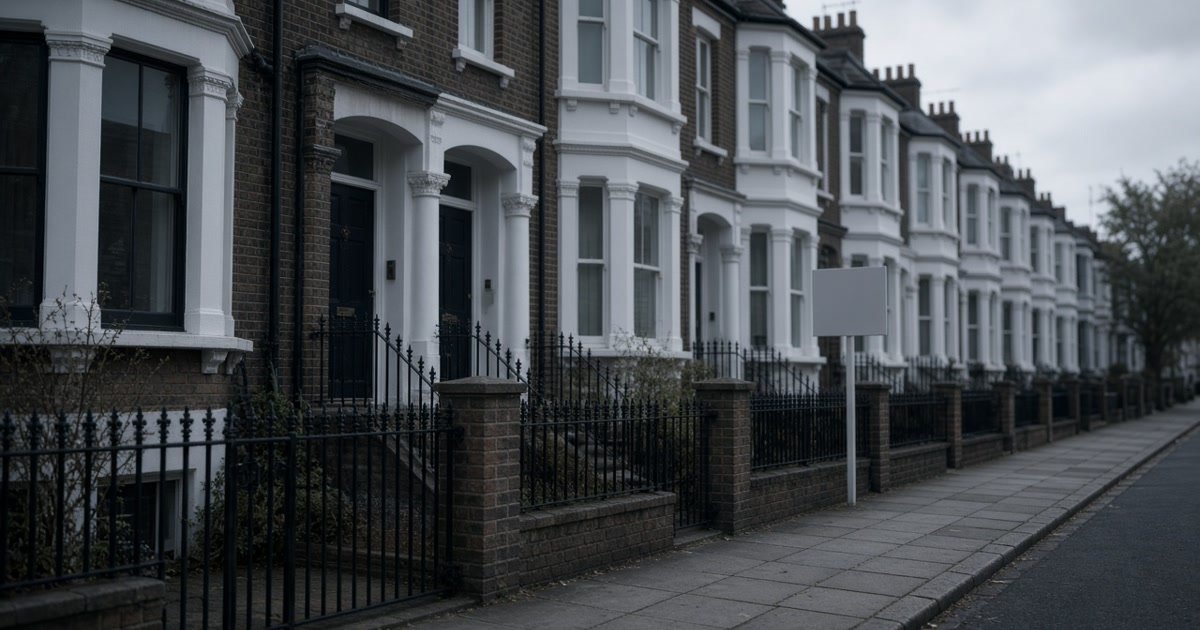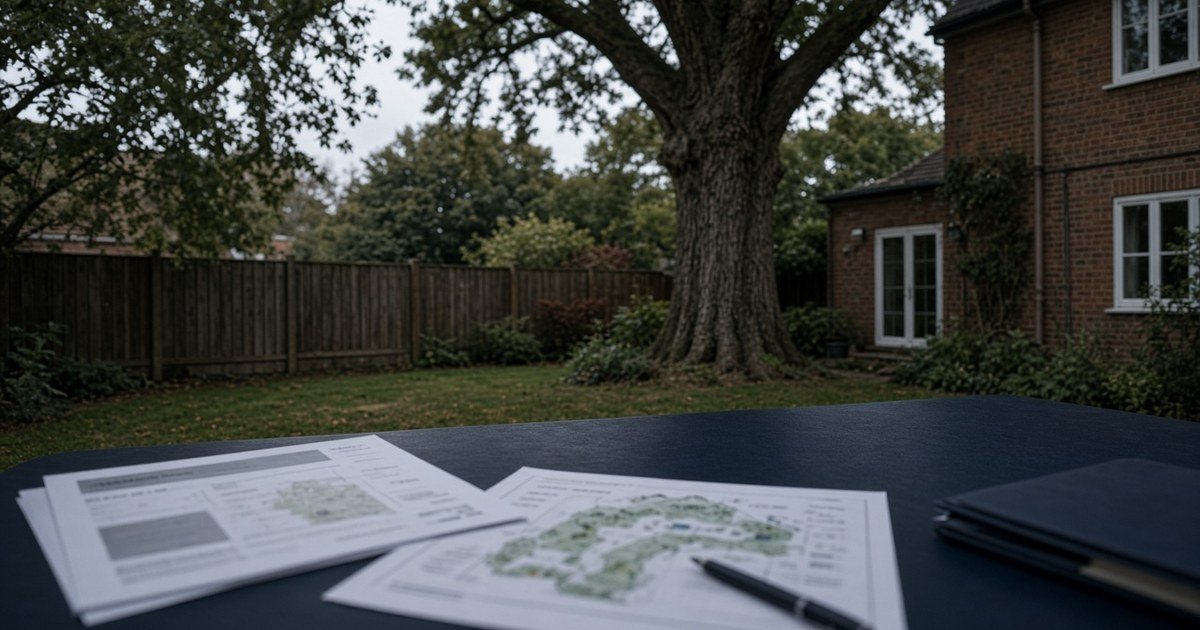
The DIP priced a rear extension and a tidy sale. The works schedule showed a new patio and a clearer driveway. Then the local planning authority map marked a Tree Preservation Order on the oak that sits in the root line of both. Credit does not stall on the monthly rate first. It stalls because the bridging loan pack treated a protected tree as a garden feature while the exit still needed topping, root works or removal the Order may forbid.
StatusKWO runs short commercial facilities for professional buyers, landlords and SPVs. Main-home owner-occupier credit is outside the book. Card pricing today sits at a monthly rate from 1.25%, an entry fee of 2%, an exit fee of 1.5%, LTV up to 85%, loans from £10,000 to £10,000,000+ and terms up to 16 months. None of those figures rewrite a TPO or a conservation-area tree control.
The protected tree that stalls a light-works exit after DIP
A clean decision in principle on LTV is thin if the exit still assumes tree works nobody has consented. Brokers who write “light refurb, no planning” into the covering email while the rear elevation plan cuts through a protected canopy force a second question list that should have been page one.
Our planning decision notice pack already covers the public planning trail. The pack you are reading is narrower. It is the tree preservation order evidence a specialist desk wants before it funds an unregulated commercial bridge where protected trees can block works, delay completion or kill a refinance sale.
Start with one page. Address and title number. Gross and net loan. Term. Named exit. Then name the tree control that bites that exit. Quote the Order reference or the conservation-area designation. Soft lines that say “trees on site” fail. Credit can skim a brochure. It cannot invent a consent trail from a tick box.
Auction finance clocks make the gap worse. Twenty-eight days do not stretch while someone hunts a TPO decision notice after the hammer. Read the local authority tree map and the legal pack before you bid if the catalogue hints at garden potential or a rear plot. Soft catalogue copy that says “scope to extend” is not a tree clearance.
How to prove the TPO or conservation-area control on day one
Credit wants confirmation from the planning authority, not a broker paraphrase.
GOV.UK’s Tree Preservation Orders and trees in conservation areas guidance is blunt. A TPO made by a local planning authority in England protects specific trees, groups or woodlands in the interests of amenity. It prohibits cutting down, topping, lopping, uprooting, wilful damage and wilful destruction without the authority’s written consent. Cutting roots sits in the same risk set in the Secretary of State’s view. Consent can carry conditions. Those conditions belong in the zip.
Order a clear print or portal extract that shows whether the security sits under a confirmed TPO, under conservation-area tree controls, under both or under neither. Name the authority. Name the Order if one exists. Mark the tree or group on a site plan that matches the works schedule. Soft screenshots without an address and date fail when the lender’s solicitor asks what the Order actually covers.
Conservation-area trees that are not already under a TPO still matter. Section 211 of the Town and Country Planning Act 1990 requires people to notify the local planning authority six weeks before carrying out certain work on those trees, unless an exception applies. Work may proceed earlier only if the authority gives consent. That notice window exists so the authority can decide whether to make an Order. A bridge that funds tree clearance inside a conservation area without a filed section 211 trail is a compliance problem, not a landscaping footnote.
Do not confuse a TPO with listed building consent. Our listed building consent pack covers heritage fabric and works to the listed structure. A protected tree beside a listed house can sit on both trails. Send both. Do not let one bury the other.
Portfolio finance books need a per-title tree map when one SPV borrows across several assets. Do not hide a TPO-blocked rear plot behind nine clean buy-to-lets. Credit opens the awkward title first.
Identity, source of funds and SPV papers still sit in the general bridging pack note. Tree papers sit beside them. They do not replace them.
Valuers will notice canopy and layout. If the inspection shows a mature tree hard against a proposed extension line, expect a same-day call. Send the TPO or conservation-area confirmation before the valuation instruction so the valuer is not the first person to spot the conflict.
Arboricultural surveys works schedules and root protection zones
A portal tick that says “trees present” is not underwriting evidence.
Credit wants an arboricultural survey or method statement that names species, stem sizes, condition and the works proposed. Mark each tree against the exit plan. If the works are crown reduction only, say so. If the works need excavation inside a root protection zone, say that on page one. Soft talk about “tidying the garden later” fails when the patio slab sits on the root plate.
Root protection is where light-works files die. Foundations, drainage runs, driveways and soakaways all cut roots. The GOV.UK planning guidance on planning applications affecting trees and woodland reminds developers that tree controls and felling rules sit beside planning. Do not assume a red-line plan that happens to include a tree allows felling. Trees you want removed for development need to sit inside a clear consent trail.
Match the schedule of works to the tree papers line by line. A kitchen and bathroom refresh that never leaves the existing footprint is a different credit story from a rear extension that needs temporary crown works and temporary ground protection. Say what plant will sit on site. Say how long the tree protection fencing stays up. Credit prices delay when the contractor cannot start until a tree officer has signed off method statements.
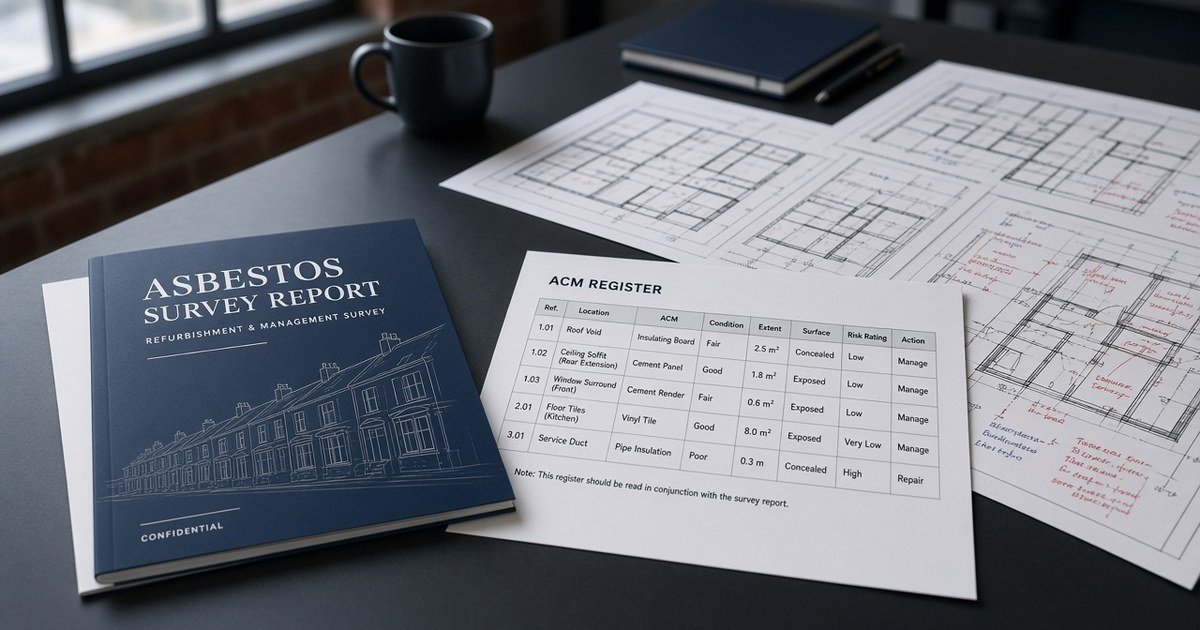
Asbestos and contamination remain separate asks. Our asbestos survey pack covers management and R&D surveys on the building. Our flood and environmental search pack covers flood and ground searches. A rear plot can carry a TPO, an asbestos loft and a soft environmental hit at once. Send each pack. Do not fold tree risk into a generic “searches clean” line.
Party wall notices sit beside tree works when excavations run near a neighbour. Our party wall pack covers those notices and awards. A TPO on your side of the fence does not cancel a party wall duty. Keep both trails.
For development finance or heavy works bridges, expect a fuller arboricultural impact assessment. Credit will ask whether retained trees sit inside foundation design, crane swing and site access. Soft CAD that ignores the canopy fails at the first site visit.
Planning Portal consent notices and the eight-week clock
Written consent is the product. Verbal comfort from a tree officer is not.
GOV.UK is clear that, apart from limited exceptions, anyone wanting to cut down, top, lop or uproot trees subject to an Order must first apply to the local planning authority for consent. The standard form sits on the Planning Portal or with the authority. The application must make clear what work is proposed and must carry enough detail to support the case. Vague “crown works as required” lines get bounced.
Put the filed Planning Portal tree-works application or the authority’s paper form in the zip. Add the decision notice when you have it. If consent is still pending, say the filing date and the clock. Authorities commonly aim to decide TPO consent applications within eight weeks. If they have not decided within eight weeks from receipt, the applicant may appeal on grounds of non-determination. That appeal path is not a twenty-eight day auction tool. Price the delay before you treat pending consent as Plan A.
Conservation-area section 211 notices use a different clock. Six weeks’ prior written notice is the baseline unless an exception applies or the authority consents earlier. A section 211 notice is not an application for consent under an Order. The authority may make a TPO during that window. If it does, the works then need TPO consent. Brokers who treat a filed section 211 notice as automatic clearance miss that second step.
Exceptions exist. They are narrow. GOV.UK lists carve-outs that can include certain work on dead trees and branches, work urgently necessary to remove an immediate risk of serious harm and work necessary to implement a full planning permission. Dead and dying trees still need care. Diseased or dying trees generally still need consent unless another exemption applies, such as urgent work to remove an immediate risk of serious harm. Do not self-certify an exception in a covering email. If the exit leans on an exception, show the arboricultural advice and any notice given to the authority.
Forestry Commission felling licences sit in another lane. The Commission’s operations note 52 on felling licences and Tree Preservation Orders explains that a felling licence may still be required under the Forestry Act 1967 even where a TPO exists, and that the wrong route can create offences under both regimes. Large rear-plot clearances and woodland edges need that check. A domestic crown reduction usually does not. Say which route applies. Do not guess.
Auction special conditions often push tree and planning risk to the buyer. If the conditions say the buyer takes subject to whatever protections exist on the land, say that before you ask for extension pricing. Hope is not an underwriting paper.
When full planning helps and when it still fails the tree ask
Full planning permission can change the TPO consent ask. It does not magic every tree away.
GOV.UK states that the authority’s consent is not required for work on trees subject to an Order so far as that work is necessary to implement a full planning permission. A tree that must come down to make way for a building with full permission can fall inside that exception. Conditions or information attached to the permission may clarify what work is exempt.
Three traps sit here. Outline permission does not qualify. An expired permission does not qualify. Work that is not necessary to implement the full permission still needs consent. Brokers who wave an outline approval and a mood-board extension fail that test. Put the full decision notice beside the tree survey. Mark which trees the permission actually forces out and which trees remain protected beside the scheme.
Planning conditions can also re-protect trees. Authorities have a duty, where appropriate, to use planning conditions for tree preservation and planting when they grant permission. Orders should be made where that appears necessary in connection with the grant. A permission that saves a tree and then attaches a protection condition is not a free pass for later topping. Read the condition schedule.
Rights of light sit in a different neighbour risk lane. Our rights of light pack covers survey and release trails for massing. A taller rear extension can raise both a light claim and a TPO conflict. Send both packs when the scheme bites a protected canopy and a neighbour window line.
Sale exits still need a diary and Plan B. Our sale-exit pack already asks for that. Add the TPO or conservation-area position next to the diary so a buyer’s solicitor does not discover a refused tree-works decision three weeks before exchange. A refinance lender will ask the same question when the works remain unfinished.
Permitted development is another soft trap. Householder PD rights do not automatically clear TPO consent. If the exit assumes PD works that still cut protected roots or canopy, show the separate tree consent trail. Soft talk about “PD so no planning” fails when the Order still bites the works.
What brokers should put in the first TPO zip
Brokers who send one clear zip save a day of chase. Name the files so a human can open them.
- One-page summary with title number, loan ask, exit and the tree control that bites that exit.
- Local authority confirmation of any TPO and any conservation-area tree controls, with Order references where they exist.
- Site plan marking protected trees against the proposed works and root protection zones.
- Arboricultural survey or method statement naming species, condition and proposed works.
- Filed Planning Portal or authority tree-works application, section 211 notice, decision notice or written confirmation that no tree works are required for the exit.
- Full planning decision notice and condition schedule where the exit leans on the planning exception or on retained-tree conditions.
- Any Forestry Commission felling-licence papers where the clearance scale needs that route.
- Sale diary or refinance illustration that still works if tree consent is refused or delayed.
Put the awkward title first on multi-asset files. Credit will find it anyway.
Do not invent a tree officer email that has not been sent. Do not invent a consent decision. Soft verbal comfort from a contractor is not evidence. If consent is coming, show the filed application and the clock. If it is not coming, say the file will run on a redesigned works plan that leaves the tree alone. Price the delay.
Auction packs should include the special conditions extract that allocates planning and tree risk. Post-hammer files need the memorandum and deposit papers in the usual place. Tree extracts still belong in the same zip so the lender’s solicitor does not chase them on day twenty.
Light refurb that never touches canopy or roots usually needs less tree drama than a rear extension. Say what the works are. A like-for-like kitchen refresh against an existing footprint is a different credit story from a new slab inside a root protection zone. Match the schedule of works to the Order text and the survey line by line.
When the pack is ready, ask for terms through the decision in principle engine or send the zip through your usual broker channel. Clear TPO papers get a faster human read than a glossy brochure that hides the oak.
Frequently asked questions
Does full planning permission always override a TPO?
No. The exception only covers work necessary to implement a full planning permission that remains live. Outline permission does not qualify. Expired permission does not qualify. Work that is not required to build the approved scheme still needs consent. Send the decision notice beside the tree survey so credit can see which trees the scheme actually forces out.
Is a conservation-area tree the same as a TPO tree?
No. Trees in a conservation area that are not already under a TPO are protected through section 211 notice rules. You normally give the authority six weeks’ prior written notice before certain works, unless an exception applies. The authority can make a TPO during that window. Treat conservation-area controls and confirmed Orders as related but separate trails.
Can verbal advice from a tree officer clear a bridge?
No. Credit wants written confirmation, a filed application or a decision notice. Soft phone notes fail when the lender’s solicitor asks for the paper trail. If an exception is claimed, show the arboricultural advice and any notice given to the authority.
How long should brokers allow for TPO consent?
Authorities commonly work to an eight-week decision window on TPO consent applications, with a non-determination appeal route after that. Conservation-area section 211 notices run on a six-week notice clock. Neither clock fits a twenty-eight day auction completion if the works cannot wait. Price the delay or redesign the works before you treat pending consent as the exit.
Do light-refurb bridges need a full arboricultural impact assessment?
Not always. A like-for-like internal refresh that never touches canopy or roots may need only confirmation that no tree works are required. Rear extensions, driveways, drainage runs and any excavation near protected stems usually need a survey, a method statement and the consent or notice trail. Match the depth of the pack to the works, not to the brochure.