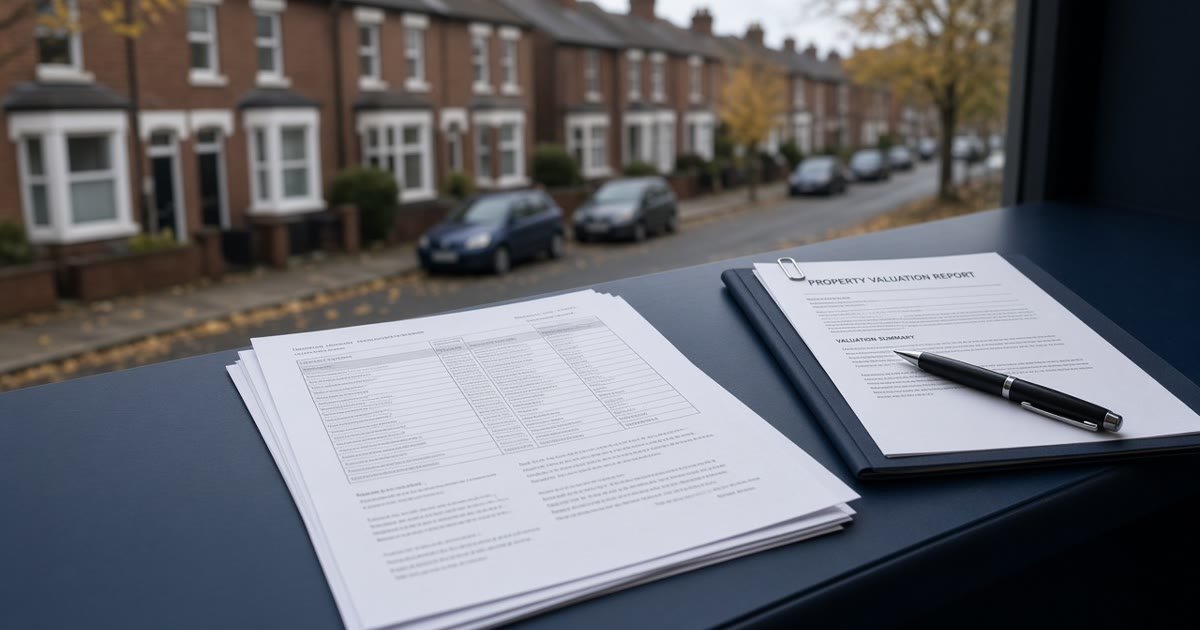
Overseas buyers often find UK property attractive. Whether you are buying to invest, renovate, or complete an auction purchase, a bridging loan can bridge timing gaps between purchase and long-term finance. This article explains how a bridging loan foreign national UK borrower can work. It covers eligibility, required documents, lender expectations and practical tips to improve your chances of a quick approval.
Why overseas buyers use bridging loans in the UK
Bridging loans offer speed and flexibility. They provide short-term cash secured on property. For foreign nationals they solve common hurdles like chain delays, urgent auction deposits, or funding renovation before refinancing. Lenders focus on security and exit, not always on residency or employment in the UK. That makes bridging loans useful for buyers based overseas.
StatusKWO specialises in unregulated bridging loans for England and Wales. We lend up to £10,000,000+ at up to 85% LTV for terms between 6 and 18 months. We offer a decision in principle in under 2 minutes and fastest completion from 24 hours. We do not require proof of income for unregulated deals. This product suits foreign nationals who can offer a clear exit plan and suitable security.
Overseas buyers also use bridging loans to act quickly at auction. Our experience with auction funding ranges from 21-day completions to 28-day timelines. If you plan to bid, understand the difference between conditional and unconditional auctions and the speed you will need. Articles such as Auction Finance Explained: How to Fund a Property Auction Purchase and From Auction to Completion: A 21-Day Bridging Loan Story offer practical context for fast purchases.
Eligibility for a bridging loan foreign national UK buyers
Eligibility depends on the borrower and the security. Broadly lenders consider:
- identity and background checks
- source of funds
- property type and location in England or Wales
- the exit strategy for repaying the loan.
Being a foreign national is not a bar by itself. Many lenders will accept applications where the borrower lives abroad. They want to be confident they can enforce the security if needed. That usually requires a UK property to secure the loan and a UK solicitor able to act. For guidance on what lenders typically look for from non-UK residents see our piece on What UK Lenders Look For: A Foreign Buyer’s Guide to Securing a Bridging Loan.
Some lenders prefer borrowers with an existing UK presence such as a UK bank account or previous UK property ownership. Others accept corporate borrowers or special purpose vehicles. If you are a non-resident individual, a clear audit trail for funds and a reliable exit plan carry weight. For a practical checklist of the documents non-residents need, refer to A Step-by-Step Checklist for Non-Resident Borrowers Seeking Bridging Loans in the UK.
Documents and evidence you will typically need
Documentation requirements vary but the common elements are consistent. Prepare these items early to speed up the decision.
Identity and verification
- Valid passport and any UK visa if applicable
- Proof of current address in your country of residence such as a utility bill or bank statement dated within three months
Source of funds
- Bank statements showing the funds for deposit or purchase
- Sale proceeds evidence if you will use funds from a recent sale
- Corporate accounts if the borrower is a company
Property paperwork
- Purchase contract or auction lot details
- Title deeds if you already own UK property that will act as security
- Planning permission details if the value depends on change of use or consent. For what lenders check on planning see Planning Permission: What Lenders Look for Before Funding
Exit strategy evidence
- Mortgage offer in principle from a UK lender if refinancing out
- Sales contract if you intend to sell within the term
- A development plan and cost schedule if you will refinance on completion of works
Third-party checks
- UK solicitor details who will manage the legal charge
- UK bank account details for fees and disbursements
StatusKWO does not require proof of personal income for unregulated bridging loans. That helps many overseas buyers who cannot easily provide UK payslips or tax returns. Still the lender will want assurance on repayment. A robust exit plan reduces the paper burden and improves pricing.
If you plan to use an existing UK property you own as additional security, see our article on Cross-Charge Bridging Loans: Using Existing Property as Security for templates and legal considerations.
Which property types are acceptable and how LTV is determined
Different lenders accept different property types. Typical categories include:
- standard buy-to-let homes
- uninhabitable or derelict properties that require renovation
- HMOs and multi-let investments
- commercial or mixed-use buildings
- care homes and healthcare facilities.
Some property types carry more risk. For example heavy refurbishment projects and certain commercial assets require specialist underwriting. If your project involves extensive works you should review guides like Bridging Loans for Ground-Up Development Projects and Bridging Loans for Commercial Property: A Complete Guide.
StatusKWO offers up to 85% loan-to-value for qualifying assets. The correct LTV depends on the valuation and the perceived exit risk. For more on how LTV is set and why it matters read Bridging Loan LTV: How Much Can You Borrow?. Accurate valuations shape risk, pricing and the available LTV. See How Accurate Valuations Shape Risk, Terms and Outcomes in Bridging Finance for detail.
Certain property scenarios are a natural fit for bridging loans. Uninhabitable properties often qualify because the lender relies on post-refurbishment value for security. For examples and practical solutions see Why Uninhabitable Properties Are Ideal Candidates for Bridging Finance.
Pricing, fees and how interest is structured for foreign borrowers
Bridging loan pricing is usually higher than long-term mortgages. Lenders price for speed and higher risk. Key cost elements include interest, arrangement fees, valuation fees and legal fees. Interest often accrues daily. You can choose between rolled-up interest, retained interest or serviced interest. Borrowers can pick the option that suits cashflow. Read about the alternatives in Bridging Loan Interest Explained: Rolled Up, Retained or Serviced?.
To estimate total cost consider the term you need. Daily accruals can add up quickly on a long refinancing timetable. For a breakdown of daily interest and ways to reduce your bill see Breaking Down the Cost of Bridging Loans: Daily Interest, Fees and Ways to Reduce Your Bill.
Other cost considerations for overseas buyers
- Currency conversion: transfers into a UK account can incur fees and exchange rate risk
- Conveyancing: UK solicitors need to be appointed early and must be acceptable to the lender
- Additional security: cross-charges across properties can add legal complexity and cost
- Valuation type: a full survey costs more than a desktop valuation but can produce stronger evidence for a higher LTV
Gross versus net loan matters. If the lender deducts fees from the advance the net proceeds reduce your working capital. For clarity on the difference see Gross vs Net Loan in Bridging Finance: What’s the Difference?.
Application process and expected timelines for overseas applicants
Speed is a core benefit of bridging finance. StatusKWO delivers a 24-hour DIP and 72-hour credit-backed offer when the file is complete. Typical steps include:
- initial enquiry and eligibility review
- decision in principle within 24 hours when basic documents are supplied
- valuation instruction once DIPs move to full application
- legal due diligence and exchange of contracts
- completion and funds release.
If you are buying at auction timelines compress. Many auction purchases require completion within 21 or 28 days. For specific auction timelines and how finance can meet them see Auction Finance Explained: How to Complete in 28 Days and How to Finance a Property Auction Purchase in 28 Days. Our case study From Auction to Completion: A 21-Day Bridging Loan Story shows how proper planning and experienced conveyancing can complete a deal under tight deadlines.
To hit these timelines foreign buyers must arrange a UK solicitor in advance and ensure funds are available for the deposit. If you need to speed up your application, guidance in How to Speed Up Your Bridging Loan Application explains practical steps.
What UK lenders commonly require and what raises red flags
Most lenders apply consistent checks. Expect the following requirements:
- full identity and anti-money laundering verification
- evidence of source of funds and legitimacy of wealth
- an enforceable legal charge over UK property
- a clear credible exit plan
- acceptable valuation and no major title issues.
Red flags that slow or stop applications include opaque source of funds, fragmented title chains, properties in disrepair without a clear refurbishment plan, and planning constraints that reduce saleability. Valuers and lenders read planning files carefully. For lender checks on planning see Planning Permission: What Lenders Look for Before Funding.
Another common issue for foreign nationals is the lack of a UK bank account. Many lenders want a UK account for fee collection and fee refunds. Solving this early avoids delays. If you hold property across multiple assets a portfolio approach can help. Read more on Portfolio Bridging Loans: Financing Multiple Properties at Once if you have diverse security.
Practical tips to strengthen an application as a foreign national
- Prepare source of funds in advance
- Provide bank statements and sale completion paperwork. Make the money trail obvious.
- Appoint a UK solicitor early
- Use a solicitor with experience in bridging transactions and overseas clients.
- Present a clear exit strategy
- Show a mortgage offer in principle, a sales timeline, or a development refinance plan. Our guide on Exit Strategies: Planning Your Way Out of a Bridging Loan helps you structure an exit.
- Consider a UK SPV
- If you plan multiple UK purchases using a UK limited company can simplify title and tax administration.
- Get an early valuation
- Accurate valuations reduce surprises. See how valuers shape pricing in How Valuers Shape Risk, Pricing and Security in Bridging Loan Deals.
- Match the finance to the project
- If you need both purchase and refurbishment funding, decide whether bridging or refurbishment finance fits best. The decision framework in Matching Funding to Property Projects: When to Use Refurbishment Finance vs Bridging Loans helps you choose.
These steps limit friction. A complete pack of documents can turn a DIP into a credit-backed offer within 72 hours at StatusKWO.
Common scenarios: examples of bridging loans for overseas buyers
Scenario 1: Auction purchase by a non-resident
- The buyer is based overseas and intends to bid on a commercial lot in Sheffield. They need 28-day completion. The buyer uses a bridging loan to cover the deposit and completion funds. With a clear exit via a refinance or sale the lender issues a fast offer. Learn how auction purchases work with bridging finance in Using Bridging Loans to Buy at Auction in the UK.
Scenario 2: Buy-to-let portfolio expansion
- An overseas investor wants to add UK buy-to-let units but cannot wait for long mortgage approvals. They use short-term bridges to secure the units, renovate to increase value then refinance. For strategies see How Property Investors Use Bridging Finance to Grow a Portfolio.
Scenario 3: Purchase and heavy refurbishment
- A buyer acquires a derelict Victorian house. They bridge the purchase and initial works then refinance with refurbishment finance. The decision to bridge rather than use long-term refurbishment lending is explored in Choose the Right Renovation Funding: When Bridging Loans Beat Refurbishment Finance — and When They Don’t.
Each scenario shows why an overseas buyer must provide a credible plan and suitable security. Lenders prefer clarity, not complexity.
Risks and compliance considerations for foreign nationals
Foreign buyers must be aware of legal and tax implications. These include UK stamp duty, non-resident capital gains tax, and local planning obligations. Lenders also perform anti-money laundering checks. Vague or hurried paperwork increases compliance risk and may stall a transaction.
If you cannot meet regulatory requirements in time, do not proceed with an auction bid or exchange. Losing a deposit is expensive. Our article on auction risks and typical auction mistakes highlights common errors to avoid in time-pressed purchases 5 Mistakes to Avoid When Buying at Property Auction.
Valuation and legal due diligence mitigate lender risk. Lenders rely on professional valuer reports to set terms and pricing. For insight on valuation roles see The Role of a Valuer in a Bridging Loan Transaction.
Choosing between bridging and other short-term finance for non-residents
Bridging loans are not the only short-term option. You may consider refurbishment finance, development loans, or high LTV mortgages. The choice depends on term, cost, and the project. For renovation-heavy work long-term refurbishment finance might be better. For quick purchase and minor works bridging often wins. See comparisons in Speed, Cost and Exit Strategy: How to Choose Between Bridging Loans and Refurbishment Finance and Refurbishment Finance vs Bridging Loans: Which Is Right for You?.
If your plan is to buy without a property chain, bridging can let you act fast. Our guide on bypassing chains explains the mechanics and benefits in Buy First, Sell Later: Using Bridging Finance to Move Without a Property Chain.
FAQ
Q: Can a foreign national get a bridging loan in the UK? A: Yes. Many lenders will lend to foreign nationals if the property is in England or Wales and the borrower can show identity, source of funds and a credible exit plan. StatusKWO provides unregulated bridging loans designed for borrowers who may not have UK income documents.
Q: What documents do overseas buyers need for a bridging loan? A: Expect passport, proof of address, bank statements showing source of funds, purchase contract, and UK solicitor details. If you need a checklist for non-resident borrowers we have a practical outline in A Step-by-Step Checklist for Non-Resident Borrowers Seeking Bridging Loans in the UK.
Q: How long does the application take for a foreign buyer? A: A decision in principle can be issued within 24 hours when basic documents are submitted. A credit-backed offer can follow in about 72 hours for completed files. Full legal completion depends on valuation and solicitor work. See How Fast Can You Get a Bridging Loan? for typical timelines.
Q: Are bridging loans suitable for auction purchases by overseas buyers? A: Yes. Bridging loans are often used for auction purchases because they can be arranged quickly. You must match the lender timeline to the auction completion requirement. Helpful resources include Auction Finance Explained: How to Fund a Property Auction Purchase and How to Finance a Property Auction Purchase in 28 Days.
Q: What happens if I cannot repay the bridging loan? A: If you cannot repay, the lender will seek repayment by enforcing the security which may lead to sale of the property. That outcome is serious. Consider exit options early and read What Happens If You Can’t Repay a Bridging Loan? for guidance.
If you are an overseas buyer who needs a fast, flexible unregulated bridging loan for a property in England or Wales StatusKWO can help. We offer up to £10,000,000+, up to 85% LTV, 6 to 18 month terms, a 24-hour DIP and a 72-hour credit-backed offer. No proof of income is required for our unregulated deals when the file otherwise meets underwriting standards. Contact us to discuss your situation and start a swift application process: https://statuskwo.com/contact/