Buying property at auction in the UK can be one of the fastest routes to securing a deal below market value. It can also be one of the most punishing experiences for anyone who walks in unprepared. Every year, buyers lose deposits, inherit legal nightmares and watch renovation budgets spiral out of control because they failed to plan properly before raising their paddle.
The auction room rewards preparation. It penalises guesswork. Whether you are a first-time auction buyer or a seasoned investor expanding your portfolio, the mistakes that catch people out tend to follow the same patterns. This guide breaks down the most common and most costly errors, explains the real-world consequences of each one, and sets out exactly how to protect yourself.
If you are new to the auction process entirely, it is worth reading our step-by-step guide to buying property at auction in the UK before going further.
1. Not Reading the Legal Pack
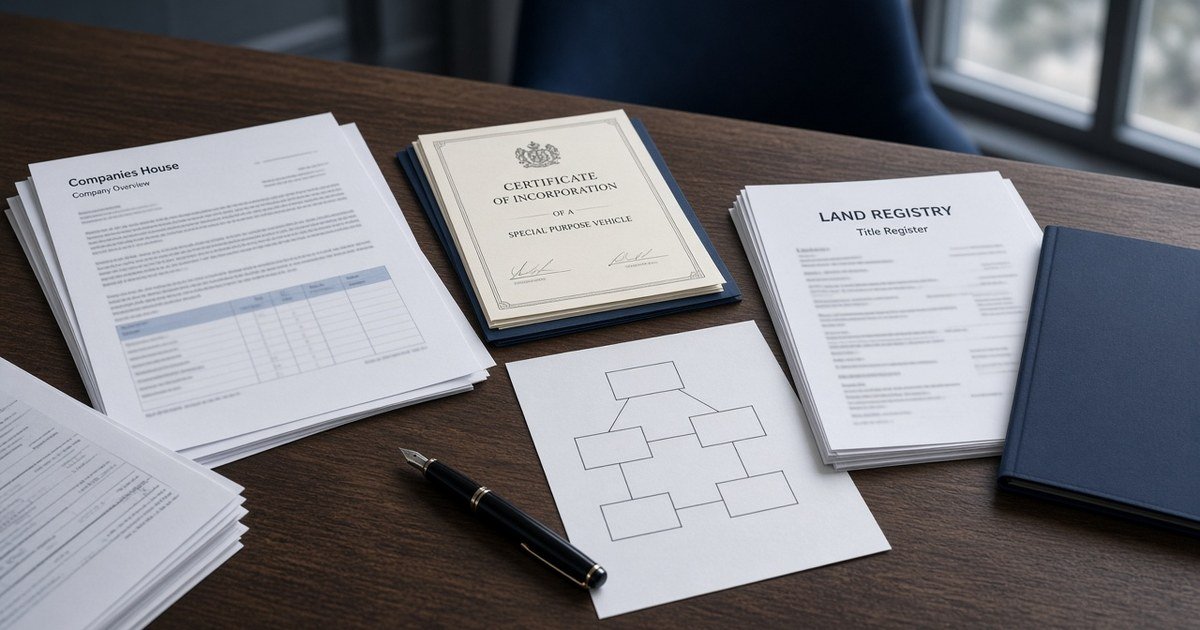
The legal pack is the single most important document in any auction purchase. It contains the title deeds, local authority searches, special conditions of sale, any lease details for leasehold properties, environmental searches and sometimes information about ongoing disputes or restrictions affecting the property.
Despite this, a surprising number of buyers either skim through the legal pack on the morning of the auction or skip it entirely. They assume that because a property is being sold through a reputable auction house, everything must be in order. That assumption can be extremely expensive.
What can go wrong
A buyer who does not read the legal pack might discover after completion that the property is subject to restrictive covenants preventing the development they had planned. They might find that access rights are disputed, that the property has an incomplete title, or that there are charges registered against it. In leasehold situations, they could inherit a lease with fewer than 80 years remaining, triggering a significant premium for any future lease extension.
In one well-documented scenario, a buyer purchased a property at auction without realising that the special conditions required them to cover the seller’s legal fees on top of their own. That added several thousand pounds to the total cost. In another case, a buyer discovered that the property they had purchased was subject to a compulsory purchase order by the local council. The legal pack contained the information. They simply had not read it.
How to avoid this mistake
Instruct a solicitor who is experienced in auction purchases to review the legal pack as soon as it becomes available. This is usually at least two to three weeks before the auction date. Your solicitor should flag anything unusual and advise you on whether the issues are manageable or whether they should cause you to walk away. The cost of a legal pack review is typically between 300 and 500 pounds. Compared to the consequences of missing a critical detail, that is a very small price to pay.
2. Not Arranging Finance in Advance
This is the mistake that derails more auction purchases than any other. When the hammer falls in a traditional auction, you are entering into a legally binding contract. You will typically need to pay a 10% deposit on the day, with the remaining balance due within 28 days. That is not a guideline. It is a hard deadline. Miss it and you lose your deposit, face potential legal action from the seller, and may be liable for any shortfall if the property is resold at a lower price.
Standard mortgage applications take weeks or months to process. They are not designed for the 28-day completion window that auctions demand. This is precisely why auction finance exists as a specialist product. It is structured around speed.
What can go wrong
A buyer wins a lot at auction, pays the 10% deposit, and then contacts their bank to arrange a mortgage. The bank tells them the application will take six to eight weeks. The 28-day deadline passes. The buyer forfeits their deposit and the seller’s solicitors begin proceedings for breach of contract.
This is not an edge case. It happens regularly, particularly to buyers who are attending their first auction and assume that the finance process works the same way as a standard property purchase.
How to avoid this mistake
Arrange your finance before you even register to bid. A decision in principle from a specialist lender gives you clarity on how much you can borrow and confirms that a lender is willing to support you. With that in place, you can bid with confidence, knowing that the formal application can move quickly once you have won the lot.
Specialist bridging loan providers are set up to work within the auction timeline. Some can complete in as little as seven to fourteen days. Understanding how fast you can get a bridging loan is essential knowledge for any serious auction buyer. Our own guide on completing auction finance within 28 days walks through the process in detail.
3. Overbidding Beyond Your Budget
Auctions create a competitive atmosphere by design. The pace of bidding, the presence of other buyers, the pressure of the auctioneer and the fear of losing out on a property can push even experienced investors beyond their pre-set limits. The result is paying more than a property is worth or more than your budget can sustain.
What can go wrong
A buyer sets a maximum bid of 200,000 pounds. In the heat of the moment, they push to 235,000. They win the lot but have now overpaid by 35,000 pounds. Their lender had agreed to fund based on a valuation of 210,000, so the additional 25,000 needs to come from their own funds. They do not have it. They scramble to find the money, take on additional debt, and the project that was supposed to generate profit instead starts from a position of negative equity.
Even if a buyer can cover the higher price, overbidding eats directly into profit margins. A property that represented a strong investment at 200,000 might offer very slim returns at 235,000 once renovation costs, finance costs and selling fees are factored in.
How to avoid this mistake
Set your maximum bid before the auction and treat it as an absolute ceiling. This means doing your homework in advance. Research comparable sales in the area. Get a realistic estimate of renovation costs. Factor in all purchase costs including stamp duty, legal fees, finance costs and the buyer’s premium if applicable. Work backwards from the expected end value to determine the maximum price at which the deal still makes sense.
If you are funding the purchase with a bridging loan, understanding how loan-to-value ratios work will help you calculate exactly how much of the purchase price your lender will cover and how much you need to bring to the table.
Write your maximum figure on a piece of paper before bidding starts. When the price reaches that number, stop. There will always be another auction and another property.
4. Not Inspecting the Property
Some auction lots are sold with limited viewing opportunities. Others allow open viewings in the weeks leading up to the sale. Regardless of the access available, every buyer should do as much physical inspection as possible before committing to a purchase.
Auction properties frequently come with issues. That is often why they are being sold at auction in the first place. Properties that are uninhabitable or in a state of serious disrepair are common on auction catalogues. The key is knowing what you are getting into before you bid, not after.
What can go wrong
A buyer purchases a property based on photographs in the auction catalogue. They assume the structure is sound because the exterior looks presentable. After completion, they discover extensive damp throughout the ground floor, a failing roof structure and asbestos in the artex ceilings. The renovation budget they had set at 30,000 pounds is now closer to 80,000.
In another common scenario, a buyer purchases a property without visiting the surrounding area. They plan to convert it into rental accommodation but discover that the street has significant anti-social behaviour issues, making it difficult to let at a rent that covers their costs.
How to avoid this mistake
Visit the property in person wherever possible. Walk around the exterior. Look at the roof, the guttering, the pointing and the windows. Check for signs of subsidence such as cracks in the brickwork. Visit the area at different times of day. Speak to neighbours if you can.
If internal access is available, take a builder or surveyor with you. A professional pair of eyes can spot problems that a layperson would miss. Understanding the role of a valuer in the process is also important, because your lender will instruct their own valuation and that figure will determine how much they are willing to lend.
If no internal access is available, factor a significant contingency into your renovation budget to account for unknown issues. A contingency of 15 to 20 percent of your estimated renovation costs is a sensible starting point for properties where internal inspection has not been possible.
5. Ignoring Hidden Costs
The purchase price is just one component of the total cost of an auction property. Buyers who focus only on the hammer price and neglect to account for everything else often find themselves in financial difficulty shortly after completion.
The full cost picture
A comprehensive budget for an auction purchase needs to include all of the following:
- Stamp Duty Land Tax. This is calculated on the purchase price and varies depending on whether you already own other property. Second property surcharges add a significant amount.
- Legal fees. Both your own solicitor’s fees and, in some cases, the seller’s legal costs if the special conditions require it.
- Survey and valuation costs. Your lender will require a valuation, and you may want to commission an independent building survey on top of that.
- Finance costs. Arrangement fees, valuation fees, legal fees on the lending side and interest payments for the duration of the loan. Understanding how interest is calculated on a bridging loan will help you budget accurately.
- Buyer’s premium. Some auction houses charge a buyer’s premium on top of the hammer price. This can be 2% or more of the purchase price.
- Insurance. Buildings insurance is required from the point of exchange, which at auction means from the fall of the hammer.
- Renovation and repair costs. For properties requiring work, this is often the largest variable cost.
What can go wrong
A buyer budgets 150,000 for an auction property. They win it at 148,000 and feel they have a deal. They then add up stamp duty at 4,500, legal fees at 2,000, finance arrangement fees at 3,000, valuation fees at 500, a buyer’s premium of 2,960, insurance at 400 and three months of interest payments at 4,440. The total cost is now 165,800 before a single pound has been spent on renovation. Their original budget of 150,000 is already exceeded by over 15,000.
How to avoid this mistake
Build a detailed cost spreadsheet before you bid. Include every line item listed above. Add a contingency of at least 10% for unexpected costs. Only then should you determine your maximum bid. If the numbers do not work at a given price, the property is not the right deal for you.
6. Not Having a Clear Exit Strategy
Every auction purchase funded with short-term finance needs a defined exit strategy. The exit strategy is how you intend to repay the bridging loan or development finance facility once the initial term expires. Without one, you are placing yourself at serious risk of default.
Lenders take exit strategies very seriously. It is one of the first things they assess when deciding whether to approve your application. Our guide to exit strategies for bridging loans covers the main options in detail.
Common exit routes
The most common exit strategies for auction purchases are:
- Refinance to a buy-to-let mortgage. You purchase the property, carry out any necessary works, and then refinance onto a long-term mortgage once the property is in a lettable condition.
- Refinance to a residential mortgage. If you intend to live in the property, you carry out any works needed to make it habitable and then apply for a standard residential mortgage.
- Sale of the property. You purchase, refurbish and sell the property on the open market, using the sale proceeds to repay the bridging loan.
- Sale of another asset. You may be selling another property or asset and using those proceeds to repay the loan. This is common in chain-break situations.
What can go wrong
A buyer purchases a property at auction with a 12-month bridging loan, intending to refurbish it and sell it within that period. The renovation takes longer than expected. The property market softens. After 10 months, the property is still not on the market. The bridging loan term is about to expire. The lender begins charging default interest at a significantly higher rate. The buyer is forced to sell at a reduced price to avoid further costs, wiping out the profit margin entirely.
In another scenario, a buyer intends to refinance onto a buy-to-let mortgage but has not checked the criteria with any long-term lender. After completing the refurbishment, they discover that the property does not meet the minimum EPC rating required by the mortgage lender, or that the rental income does not meet the stress test. They cannot refinance and are stuck with the bridging loan, incurring ongoing interest costs.
How to avoid this mistake
Define your exit strategy before you bid. If you plan to refinance, speak to a mortgage broker and confirm that the property and your circumstances will meet the criteria of at least one long-term lender. If you plan to sell, research the local market thoroughly and speak to estate agents about realistic sale prices and timeframes. Build in a buffer of at least two to three months on top of your expected timeline to account for delays.
7. Choosing the Wrong Solicitor
Not all solicitors are equipped to handle auction purchases. The tight deadlines, the need to review legal packs quickly, and the specific procedures involved in auction transactions require a solicitor who has done this before. Choosing the wrong one can cause you to miss your completion deadline.
What can go wrong
A buyer instructs their family solicitor, who handles mainly residential conveyancing at a leisurely pace. The solicitor is unfamiliar with auction procedures and does not appreciate the urgency of the 28-day completion deadline. Searches are not ordered promptly. Queries on the title are not raised quickly enough. The completion date approaches and the solicitor is still waiting for search results. The buyer is forced to request an extension from the seller, which may or may not be granted, and if granted, usually comes with penalty interest and additional legal costs.
In the worst case, the completion deadline passes. The buyer loses their 10% deposit. The property is re-entered into a future auction, and the original buyer may face a claim from the seller for any loss suffered on the resale.
How to avoid this mistake
Appoint a solicitor before the auction, not after. Choose one who specifically handles auction conveyancing and ask about their track record with meeting 28-day deadlines. A good auction solicitor will have reviewed the legal pack before the auction, raised any preliminary enquiries, and will be ready to move immediately once you have won the lot. They should also be comfortable working with bridging lenders, as many auction purchases are funded this way.
Ask your solicitor whether they can order searches on an expedited basis and how long their typical auction completion takes from exchange to completion. If they hesitate on these questions, find someone else.
8. Underestimating Renovation Costs
Many auction properties require some level of work. Some need only cosmetic updates. Others require full structural renovation. The mistake buyers make most frequently is underestimating what the work will actually cost, both in terms of money and time.
This is especially relevant if you are planning to use a bridging loan to fund a property renovation, because the accuracy of your cost estimates will directly affect how your lender assesses the deal.
What can go wrong
A buyer purchases a Victorian terrace at auction for 120,000 with the intention of spending 40,000 on a refurbishment and selling it for 220,000. They base their renovation budget on an informal estimate from a friend who is a builder. Once work begins, they discover that the property needs a full rewire, a new boiler and central heating system, replacement windows, treatment for woodworm in the floor joists and damp-proofing across the ground floor. The actual renovation cost comes in at 75,000.
The profit that was supposed to be 60,000 is now 25,000 before finance costs and selling fees. After those are deducted, the buyer has spent eight months of their life on a project that generated very little return. If the market had moved against them during that period, they could have lost money entirely.
Time overruns are equally damaging. Every additional month that a renovation takes adds another month of interest payments on the bridging loan. If a project that was supposed to take four months takes eight, the additional interest can run into thousands of pounds.
How to avoid this mistake
Get at least two independent quotes from experienced builders before the auction. Provide them with as much information as you can, including photographs, floor plans and details of the work you are planning. If internal access is not available before the auction, make this clear to the builders and ask them to provide a quote based on worst-case assumptions.
Build a contingency of 15 to 20 percent into your renovation budget. This is not pessimism. It is standard practice in the property development industry. Unexpected costs are the norm, not the exception.
If the property requires planning permission for any of the work, factor this into your timeline as well. Planning applications can take eight weeks or more, and there is no guarantee of approval. Your bridging loan interest will be accruing during this waiting period.
Additional Pitfalls Worth Knowing
Beyond the eight major mistakes above, there are several other traps that catch auction buyers out.
Not understanding the auction format
Traditional auctions and modern method auctions operate differently. In a traditional auction, the fall of the hammer creates an immediate binding contract and completion is usually required within 28 days. In a modern method auction, the winning bidder typically pays a reservation fee and then has a longer period, often 56 days, to complete. The terms and obligations differ between the two formats, and confusing them can lead to costly mistakes.
Bidding on multiple lots without a plan
Some buyers bid on several lots in the same auction, intending to buy only one. If they accidentally win two or more, they are contractually obliged to complete on all of them. This can cause serious financial strain if they do not have the resources to fund multiple purchases simultaneously.
Ignoring the auction house terms
Each auction house has its own terms and conditions. These may include administration fees, buyer’s premiums and specific requirements around deposit payments. Read the auction house terms before you bid, not after.
Not considering your borrowing profile
If you have adverse credit history, this does not necessarily prevent you from securing auction finance, but it does affect which lenders will consider your application and the terms they will offer. Our guide on bridging loans with bad credit explains the options available. Knowing where you stand before the auction avoids unpleasant surprises when you apply for funding.
A Checklist for Auction Day
Pulling together everything covered above, here is a practical checklist to work through before you bid at auction:
- Legal pack reviewed by your solicitor. All queries raised and answered before the auction date.
- Finance arranged. A decision in principle from a specialist lender confirming the amount you can borrow and the terms.
- Property inspected. You have visited the property, walked the surrounding area and ideally had a builder or surveyor assess the condition.
- Full budget prepared. A detailed spreadsheet covering the purchase price, all transaction costs, renovation costs and a contingency of at least 15%.
- Exit strategy confirmed. You know exactly how you will repay the bridging loan, and you have confirmed the viability of that plan with a broker or lender.
- Solicitor briefed and ready. Your solicitor knows the auction date, has reviewed the legal pack and is prepared to act immediately after the auction.
- Maximum bid set. You have calculated the highest price at which the deal still works, written it down and committed to not exceeding it.
- Deposit funds available. You have the 10% deposit readily accessible on auction day, either as a banker’s draft or through an approved electronic transfer method.
Frequently Asked Questions
What happens if I win at auction but cannot complete?
If you fail to complete within the contractual deadline, you will forfeit your 10% deposit. The seller may also pursue you for any additional losses they suffer, including legal costs and any shortfall if the property is subsequently sold at a lower price. This is a legally binding contract, and the consequences of failing to complete are severe. Arranging finance before the auction through a specialist auction finance provider is the most effective way to avoid this outcome.
How much deposit do I need for an auction purchase?
Most traditional auctions require a 10% deposit on the day, payable immediately after the hammer falls. Some auction houses accept a minimum fixed deposit, such as 2,000 or 5,000 pounds, with the balance of the 10% payable within a set period. Modern method auctions typically require a reservation fee rather than a traditional deposit. Always check the specific terms of the auction house before attending.
Can I get a mortgage to buy a property at auction?
Standard mortgages are generally too slow for traditional auction purchases because they typically take six to eight weeks or longer to process. The 28-day completion deadline at traditional auctions requires faster funding. Bridging loans are the most common funding solution for auction purchases because they can be arranged and completed within the required timeframe. You can then refinance onto a mortgage once you own the property.
Should I get a survey before buying at auction?
Wherever possible, yes. A building survey conducted before the auction gives you a much clearer picture of the property’s condition and helps you budget accurately for any work required. If the property cannot be accessed internally before the auction, you should at the very least conduct a thorough external inspection and factor a larger contingency into your renovation budget to account for unknown issues. Your lender will also instruct a valuation as part of the lending process, but this is a valuation for lending purposes and does not replace a full building survey. You can learn more about how valuations work in bridging finance.
Is it safe to buy a property at auction as a first-time buyer?
Buying at auction as a first-time buyer is possible, but it requires more preparation than a standard purchase. The binding nature of the contract, the tight completion deadlines and the prevalence of properties requiring work all mean that thorough research and professional advice are essential. First-time auction buyers should read the complete guide to buying property at auction, have their finance arranged in advance, instruct an experienced auction solicitor and ideally attend one or two auctions as an observer before bidding for the first time. A comprehensive understanding of bridging loans will also help you navigate the finance side with confidence.
Making Your Auction Purchase a Success
Buying at property auction does not have to be a gamble. The buyers who succeed are the ones who treat every auction purchase as a structured project, with proper due diligence, realistic budgets, confirmed finance and a clear plan for what happens after completion. The buyers who lose money are almost always the ones who cut corners on preparation.
Every mistake listed in this guide is avoidable. The common thread running through all of them is preparation. Read the legal pack. Arrange your finance. Inspect the property. Build a thorough budget. Define your exit. Choose the right professionals. And above all, do not let the atmosphere of the auction room push you into a decision that the numbers do not support.
At StatusKWO, we work with auction buyers every week, providing fast and reliable bridging finance that fits within the auction timeline. If you are planning to bid at an upcoming auction and want to make sure your funding is in place before the hammer falls, get in touch with our team.