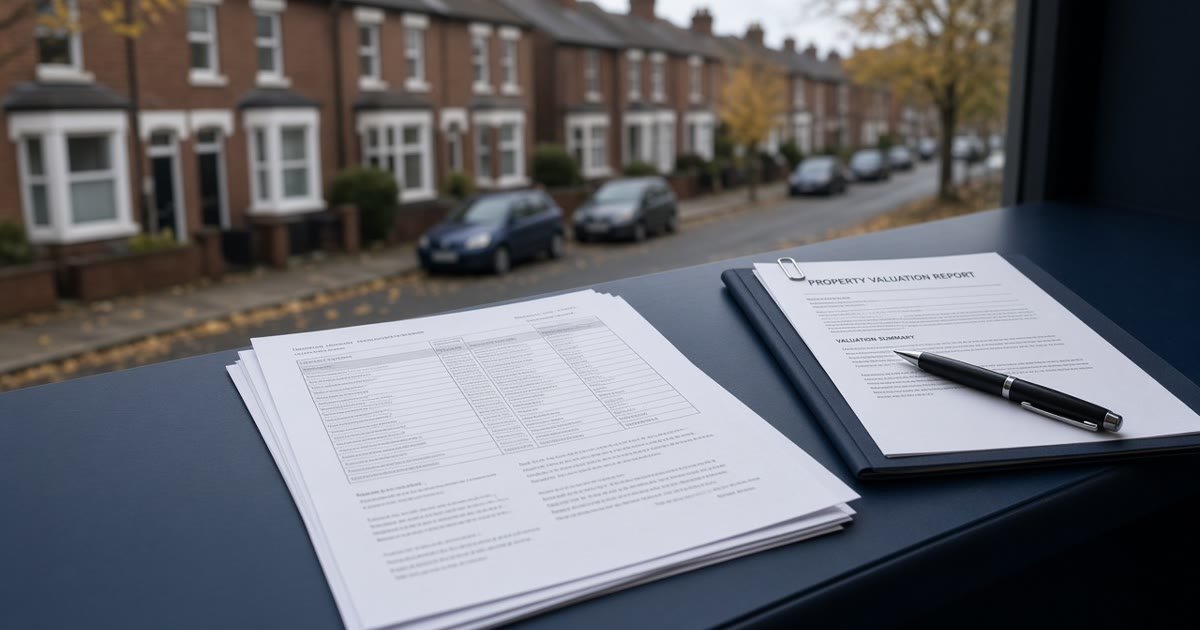
Property valuations are central to every bridging loan decision. Lenders use valuations to assess security, set loan to value ratios, price risk, and determine exit strategy feasibility. For borrowers the valuation outcome can change loan size, interest cost, and the speed at which funds can be released. In short the bridging loan valuation process shapes almost every commercial and practical aspect of short term property finance.
This article explains how valuers work, what lenders look for, and how valuation findings influence risk allocation and loan terms in unregulated bridging finance in England and Wales. It includes practical steps borrowers can take to speed up a valuation and reduce friction. The content is aimed at property investors, developers, auction buyers and professional intermediaries who need a clear view of valuation impact on bridge loans.
What is the bridging loan valuation process and why it matters
The bridging loan valuation process is the method valuers use to estimate a propertys current market value and potential resale or end value. Lenders rely on that estimate to calculate maximum loan size, often expressed as a loan to value ratio or LTV. The valuation also highlights physical and legal risks that could affect exit plans.
Why it matters
- Lenders set LTV and pricing partly on valuation outcomes. A lower valuation can mean a lower loan amount or higher pricing.
- Valuations reveal defects, encumbrances, planning risks or uninhabitable status that may change the product a lender offers.
- A clear valuation reduces the chance of unexpected delays at offer stage. Fast bridging lenders place high value on accurate early assessments.
At StatusKWO we specialise in unregulated bridging loans UK-wide. Our facilities run up to £10,000,000+ with up to 85% LTV and terms of up to 16 months. We offer a decision in principle in under 2 minutes and fastest completion from 24 hours. We also do not require proof of income for most unregulated cases. Those service levels are built on a robust valuation approach that reduces borrower friction and credit risk.
Who carries out the valuation and what they inspect
A valuation is normally carried out by a chartered surveyor or an RICS registered valuer. They inspect the property on site where possible. For some high volume or remote cases a desktop valuation may be accepted. The valuer looks at physical condition, planning and use, location comparators, and legal factors.
Key inspection points
- Structural condition and visible defects
- Habitability and safety issues for residential elements
- Suitability for intended use such as HMO, commercial or conversion projects
- Planning constraints and potential for permitted development
- Site boundaries and access
- Comparable sales evidence in the local market
Valuers also consider what is realistic for an exit. For example if the borrower intends to convert a former office into residential units the valuer will test whether the local market supports the projected end value. For complex projects lenders may order a specialist report or require planning evidence before issuing an offer.
You can read more about how valuers mitigate specific risks in bridging transactions in our practical note on how property valuers mitigate risk in bridging finance transactions. That piece explains typical red flags that reduce LTV or delay completion.
How valuation outcomes shape loan size and LTV
Loan to value is the primary lever lenders use to manage exposure. The bridging loan valuation process gives the objective measure lenders need to fix LTV. If the valuer determines a lower market value than expected the lender may cut the gross loan amount or insist on additional security.
Typical impacts of valuation results
- Value matches expectation. Lender offers full LTV cap subject to standard checks.
- Value lower than expectation. Lender reduces net loan or requires a larger deposit from the borrower.
- Value higher than expectation. Lender may increase gross loan where fund purpose allows.
Bridge lenders commonly publish an LTV cap by product. For borrowers who need clarity it helps to understand the difference between gross and net loan size. We explain this in our guidance on gross vs net loan in bridging finance.
Understanding LTV ratios helps borrowers decide structure and exit plan. Our article on bridging loan LTV: how much can you borrow gives examples of how property type and condition affect permitted LTV and pricing.
Valuation types and when lenders accept desk valuations
Not every transaction needs a full physical valuation. Lenders use three common approaches depending on risk, time and value.
- Full physical valuation. A surveyor visits the property and inspects condition, boundaries and access.
- Desktop valuation. The valuer relies on market data, photographs, and seller info without attending the site.
- Red book or RICS report. Required for complex commercial or high value deals where a formal report is necessary.
Fast turnaround bridging loans often start with a desk valuation to secure a quick decision in principle. That is common in auction finance or chain-free purchases. But a desk valuation may be followed by a physical inspection before drawdown.
Auction buyers must balance speed with certainty. Our auction finance resources explain funding timelines and valuation expectations for conditional and unconditional auctions. For example when bidding at auction, the valuation can determine whether a lender offers a 28-day completion facility or requires extra checks. See our detailed guides on auction finance explained: how to fund a property auction purchase and conditional vs unconditional auction: which needs faster finance.
How valuations affect pricing and risk mitigation
Lenders price risk through interest rates fees and covenants. The bridging loan valuation process informs all these variables. A more uncertain valuation increases the lender risk premium. Typical price adjustments include higher interest, additional arrangement fees, or stricter security requirements.
Ways valuation changes pricing
- Lower confidence in value increases rate or fee.
- Uninhabitable properties or derelict buildings attract higher pricing because exit risk is greater.
- Properties requiring planning consent or major refurbishment often see lower LTV and higher fees.
- Mixed use or specialist assets such as care homes may need sector expertise and attract tailored pricing.
Borrowers should also understand how interest is calculated. Valuation reduces the lender risk and that may lower the rate or fee structure a lender is prepared to offer. For a deep dive on cost drivers see our article what drives the interest you pay on a bridging loan: term repayment and fees explained. You can also compare daily and APR cost mechanics in breaking down the cost of bridging loans: daily interest fees and ways to reduce your bill.
Valuation and exit strategy alignment
A core question lenders ask is how the borrower will exit the bridging loan. The bridging loan valuation process does not stop at current market value. It tests the realism of the exit plan. Typical exits include sale to repay the loan, refinance to longer term mortgage, or refinancing into development exit finance.
Lenders will test exit feasibility by looking at:
- Expected sale prices and market comparators
- Timescale to sale in the current market
- Ability to secure exit mortgages or development finance
- Planning or completion milestones for refurbishment projects
If the exit depends on obtaining a standard mortgage later lenders will check whether the property will meet mortgage criteria after works. For conversions and heavy refurbishment projects it is common to view valuation in stages. Our guide on project needs timelines and exit strategy: picking refurbishment finance or a bridging loan helps borrowers match funding to exit plans.
When using bridging loans for auctions or chain-breaking purchases it is essential to have a clear post-completion plan. Our step-by-step example in from auction to completion: a 21-day bridging loan story shows how valuation and exit readiness speed up drawdown.
Special cases that change valuation approach
Certain property types and conditions change the valuation methodology lenders use. Knowing these can help you present a stronger case and avoid surprises.
Uninhabitable and derelict properties
- Valuers will judge the value in current condition and the after-repair value.
- Lenders often apply lower LTV and require detailed repair budgets.
- Bridging lenders are often ideal for these situations because they are comfortable with short-term refurbishment exits.
If you plan to bid on uninhabitable properties you should understand how finance and valuation interact. Our pieces on why uninhabitable properties are ideal candidates for bridging finance and funding repairs on derelict homes: how bridging loans can help revive uninhabitable properties explain lender requirements for refurbishment projects.
Commercial property and specialist assets
- These assets need sector expertise. Valuation may rely on rental evidence and yield assumptions.
- For care homes and healthcare properties lenders will test operational viability and regulatory compliance.
See our guides on bridging loans for commercial property: a complete guide and short-term finance solutions for acquiring and refurbishing care homes and healthcare facilities for the nuances of valuing specialist assets.
Portfolio and cross charge loans
- When one or more properties secure a single facility valuers must assess each asset and the combined security position.
- Cross-charge bridging loans need consistent valuation methodology across properties.
If you plan to use multiple properties as security our article on portfolio bridging loans: financing multiple properties at once outlines lender expectations.
Practical steps to speed up the valuation part of your application
A fast and accurate bridging loan valuation process saves time and reduces costs. Here are steps borrowers and brokers can take to streamline the process.
Prepare accurate documentation
- Provide recent floor plans, title deeds and surveys where possible.
- Share planning permission, listed building consents or proof of permitted development if you have them.
- Provide evidence of recent comparable sales if you have local market knowledge.
Be transparent about works and costs
- Lenders prefer clear budgets for repair or conversion projects.
- For refurbishment loans show contractor quotes and milestone timelines.
- If the project requires planning consent explain the current status and likely timelines.
Facilitate site access and materials
- Make sure the valuer can enter the property or provide clear high resolution photos.
- Share roof, foundation or drainage history if available.
Consider a professional pre-valuation
- Some borrowers engage a RICS surveyor for a pre-valuation or condition report. That can identify issues early and reduce lender queries.
If you are bidding at auction you will need a valuation quickly. Our auction guides explain how fast valuations and funding interact and what lenders can do in short timelines. See auction finance explained: how to complete in 28 days and using a bridging loan to buy at auction: a step-by-step guide.
How valuation disputes are handled
Disagreements over valuation occur but lenders and borrowers have processes to resolve them. Typical approaches include:
- Second opinion. A borrower or lender may order a second valuation from an independent valuer.
- Revisit with additional information. If a valuer missed material data such as planning permission the file may be reopened.
- Adjusted offer. The lender may issue a revised offer reflecting a lower LTV or additional conditions.
- Walkaway rights. Some offers are subject to satisfactory valuation and title checks. If valuation falls short the lender can withdraw.
Disputes can add time to your deal. That is why clear documentation and early transparency usually save both parties time and cost.
How valuations interact with underwriting and final legal checks
Valuation is only one part of the credit decision. Underwriting teams combine valuation with title checks, borrower history, affordability where relevant, and exit plan appraisal. The bridging loan valuation process therefore needs to be aligned with legal and title expectations.
Legal checks that follow valuation
- Title searches that reveal liens covenants or easements
- Planning and highway checks that impact use or value
- Confirmation of insurance and compliance where required
For many short-term bridging loans legal completion can be quick. At StatusKWO we aim to provide a 72-hour credit backed offer after valuation and underwriting. That speed depends on clean title and realistic valuation outcomes.
Common valuation pitfalls and how to avoid them
Pitfall 1: Relying on outdated comparables
- Market conditions change quickly. Use recent sales evidence.
- A valuer will discount stale comparables. Provide up to date local market insight where you can.
Pitfall 2: Underestimating repair costs
- Borrowers often understate the true cost of works. Provide contractor estimates.
- Supply contingency budgets to avoid undercapitalisation.
Pitfall 3: Not disclosing material facts
- Hidden defects discovered by valuers reduce trust and increase pricing.
- Always disclose issues such as subsidence, defects, or contested boundaries.
Pitfall 4: Overoptimistic exit assumptions
- Plan conservatively for time to sale and future mortgageability.
- Lenders will stress test exit projections during underwriting.
If you want guidance on whether a bridging loan fits your project needs and timeline we have detailed resources on matching finance to projects. See matching funding to property projects: when to use refurbishment finance vs bridging loans and speed cost and exit strategy: how to choose between bridging loans and refurbishment finance.
When valuation supports a stronger offer from a lender
Valuation can be an asset if managed well. A clear, well documented property appraised by a respected valuer reduces perceived risk and can unlock better terms. Lenders reward:
- Transparent evidence of upcoming planning or income
- Realistic refurbishment budgets with contractor quotes
- Exit plans backed by comparables and realistic timelines
Sectors such as HMO conversions or mixed use projects often benefit from experienced valuers who understand the asset class. Our guidance on bridging loans for HMO conversions: what lenders look for explains value drivers for that type of scheme.
Key takeaways for borrowers and brokers
- The bridging loan valuation process determines loan size LTV and pricing. Treat it as the core part of the application.
- Provide full documentation early to speed up desk and physical valuations.
- Plan exit strategies realistically and test them against valuer assumptions.
- Use specialist valuers for complex assets or refurbishment projects.
- Know that valuation affects interest and fees as well as the timeline to drawdown.
If you want to explore product suitability remember that StatusKWO offers unregulated bridging loans only, up to £10,000,000+ with up to 85% LTV and terms of up to 16 months. We operate across England and Wales and deliver a decision in principle in under 2 minutes and fastest completion from 24 hours with no proof of income required in most cases. Our approach is designed to match quick valuations with fast underwriting so your deal can complete on time.
FAQ
Q: How long does the bridging loan valuation process take? A: Timescales vary. A desktop valuation can be completed within 24 to 48 hours. A full physical valuation typically takes several days for inspection and reporting. High volumes and specialist assets can add time. If you need very fast finance for an auction purchase there are tailored valuations and underwriting routes that can compress this. See the auction finance guidance on how to fund a property auction purchase quickly.
Q: Will a valuation reduce the loan amount after I receive an offer? A: Yes. Most offers are subject to satisfactory valuation and title checks. If the final valuation is lower than the figure used at offer stage the lender may reduce the gross or net loan or amend terms. That is why a pre-valuation and strong documentation help lock in expectations.
Q: Can I use a bridging loan for a derelict property? A: Yes. Bridging loans are commonly used to buy and refurbish uninhabitable properties. Expect a valuation that assesses current condition and after-refurbishment value. Lenders often require repair budgets and conservative LTVs. For details see our notes on funding repairs on derelict homes.
Q: What is the difference between a desk valuation and a full valuation? A: A desk valuation relies on market data photographs and documents without a site visit. It is faster but less comprehensive. A full valuation involves a site inspection and more detailed reporting. Lenders may accept a desk valuation for a fast decision and follow up with a site visit before release of funds.
Q: How can I improve my valuation outcome? A: Provide clear evidence of repair plans planning consent and comparable sales. Share contractor quotes and proof of exit strategy. Use experienced brokers and valuers who understand the asset class. For conversion or development projects see resources on how developers use bridging finance to recycle capital faster and on matching funding to project needs.
If you have a specific property or project you want to discuss with an experienced bridging lender contact StatusKWO for a confidential assessment. Our team focuses on unregulated bridging loans UK-wide and can provide a decision in principle in under 2 minutes and fastest completion from 24 hours. Get in touch via our contact page: https://statuskwo.com/contact/