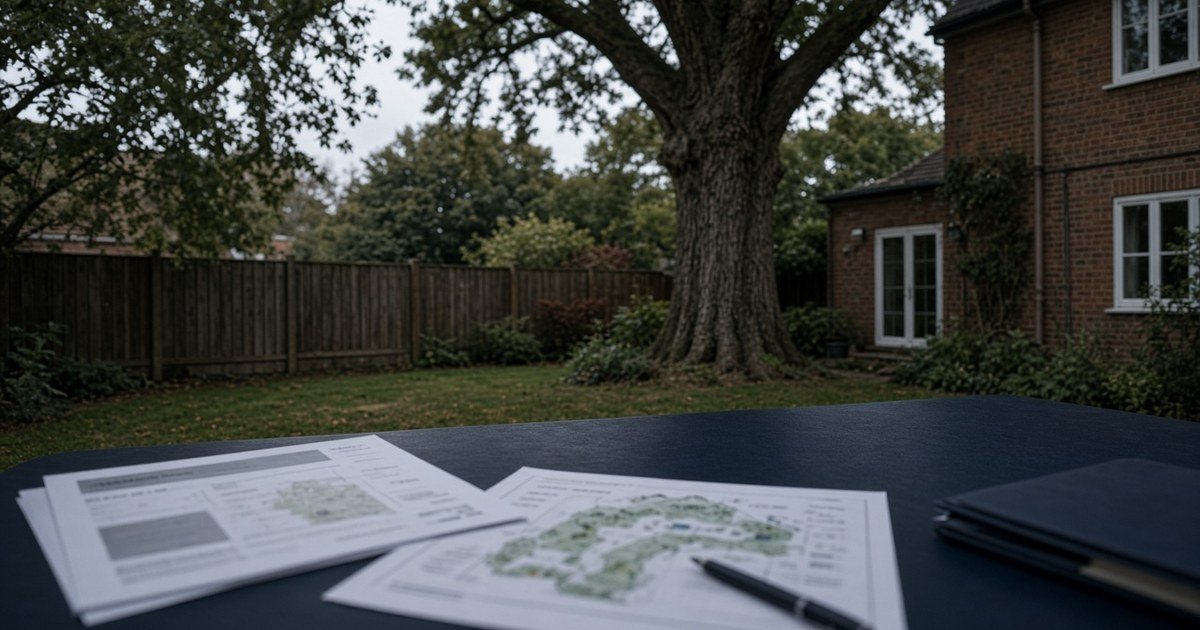
The HMO licence is current. The gas certificate is in date. Rent covers the interest. Then credit asks for the fire risk assessment and the broker sends a three-year-old PDF with no assessor name, no review date and no word on flat entrance doors. The bridging loan does not die on LTV. It stalls because the common parts still sit under a Fire Safety Order duty the pack never proved.
StatusKWO prices short commercial facilities for professional landlords, investors and corporate SPVs. Main-home owner-occupier borrowing is outside that book. Card pricing today sits at a monthly rate from 1.25%, an entry fee of 2%, an exit fee of 1.5%, LTV up to 85%, loans from £10,000 to £10,000,000+ and terms up to 16 months. None of those figures replaces a live FRA that matches the occupation and the fabric.
The multi-let file that stalls when the licence is fine but the FRA is missing
A clean decision in principle on rent and LTV is thin if the security is a shared house, a converted terrace with one staircase or a small block with common corridors. Credit can price the purchase. It will not pretend a Housing Act licence clears the fire safety paper trail.
Our HMO licensing pack covers mandatory, additional and selective schemes. The buildings insurance pack covers the schedule and occupancy wording. The Gateway 2 pack covers higher-risk building control on heavier schemes. What follows is narrower. It is the fire risk assessment evidence a specialist desk wants before it funds an unregulated commercial multi-let bridge.
Start with one page. Address and title number. Occupancy type. Whether common parts exist. Named responsible person. FRA date and assessor. Review date. Significant findings that remain open. Gross and net facility. Named exit. Then attach the PDFs. A covering line that says “fire compliant” does not underwrite a shared escape route.
Wrong paper burns days. A facility that assumes a refinance on licensed HMO income while the only fire document in the zip is a smoke-alarm invoice is already soft. Brokers who treat the FRA as a post-valuation nice-to-have often discover the gap when the exit lender asks for the same file. Send the FRA with the first multi-let enquiry. Pricing then stays about cost and exit.
Who the responsible person is and when the Fire Safety Order bites
Fire evidence is not a broker opinion. Credit wants the papers a responsible person would keep under the Regulatory Reform (Fire Safety) Order 2005, as clarified for multi-occupied residential buildings.
GOV.UK’s fire risk assessments page is blunt. The responsible person must carry out and regularly review a fire risk assessment of the premises. The assessment must be written. It must identify what is needed to prevent fire and keep people safe. The five steps sit in plain view. Identify hazards. Identify people at risk. Evaluate, remove or reduce risks. Record findings, plan and train. Review and update.
That duty is not limited to offices. The Fire Safety Order catches non-domestic premises and the common parts of multi-occupied residential buildings. Individual private flats sit outside the Order as dwellings, but the shared staircase, lobby, plant room and flat entrance doors that open onto those routes do not. A six-bed HMO with one shared hallway is already inside the ask. So is a converted house with two self-contained flats above a common entrance.
Name the responsible person on page one. Freeholder. Landlord. Managing agent. RMC. SPV that will take control after completion. Soft lines that say “agent handles compliance” fail when the solicitor asks who holds the legal duty. If control will move on completion, say who becomes the responsible person and when the FRA will be reviewed for that change. Credit can fund a purchase with a clear handover plan. It cannot invent one from silence.
Portfolio finance files multiply the point. One title with shared routes and a thin FRA can slow a twenty-asset package. Flag every asset with common parts on the schedule. Do not bury one tired staircase behind nineteen clean single lets and hope nobody opens the Order.
Auction finance clocks make the gap worse. Twenty-eight days do not stretch while someone hunts a competent assessor after the hammer. If the catalogue shows bedsits, room lets or a former guest house, put the FRA position in the first zip before the bid. Soft catalogue copy that says “strong yield” is not a fire safety clearance.
What a suitable and sufficient FRA must cover after the Fire Safety Act
Credit wants a suitable and sufficient assessment, not a brochure checklist with a logo.
The Fire Safety Act addendum clarifies the parts that sit inside the Order where a building contains two or more sets of domestic premises. Structure and external walls, including windows, balconies, cladding, insulation and fixings. Common parts. Doors between domestic premises and common parts, including flat entrance doors. The responsible person must make sure those elements are considered in the fire risk assessment. Contracting the work out does not move the legal duty.
The Fire Safety Act 2021 factsheet on commencement of sections 1 and 3 repeats the same scope. Where the FRA has not already been updated for external walls, a visual inspection is the starting point. Brick or masonry stock with no obvious combustible cladding may be addressable inside the routine FRA. Suspected combustible cladding, insulation or cavity risk can push the file toward a more detailed external-wall appraisal. Do not let the broker decide that from a marketing photo alone. Put the assessor’s written position in the pack.
GOV.UK’s responsible persons guidance underlines that the assessment must identify hazards and people at risk, then reduce those risks. It is a judgement-based document. Two assessors can differ on detail. Credit still needs a named assessor, a date, a premises description that matches the title and an action list that can be tracked. Unsigned templates fail. So do assessments that stop at “smoke alarms fitted” while ignoring escape widths, fire doors, compartmentation, emergency lighting and storage in the common route.
Match the FRA address to the Land Registry title and to the HMO licence if one exists. Flat numbers that drift between the FRA, the ASTs and the charge plan create legal delay. If the assessment samples flat entrance doors rather than inspecting every door, say so and say why the sample is enough. Soft statements that “doors look fine” without a sample method stall refinance exits.
Review timing matters. The public GOV.UK page expects regular review and update. An FRA dated before a change of layout, a change of occupation or a change of responsible person is already soft. Works that open risers, remove walls or alter escape routes need a review before first draw on those works, not after the skip arrives. Put the review date and the trigger for the next review on page one.
When credit also wants an FRAEW or PAS 9980 trail
Not every multi-let needs a full fire risk appraisal of external walls. Some do. Brokers who treat FRA and FRAEW as interchangeable words burn a week.
GOV.UK’s residents’ guide to fire safety in blocks of flats separates the two. An FRA assesses fire risks in the building and the measures needed to keep people safe, including common parts, flat entrance doors and external walls where relevant. An FRAEW assesses the risk of fire spreading through the external wall system. Cladding. Insulation. Cavity barriers. Fixings and attachments. The FRAEW is not a substitute for the wider FRA. It sits beside it when the wall system needs that deeper look.
The Fire Safety Act factsheet points to PAS 9980 as the methodology for that deeper appraisal where a visual inspection is not enough. If the security has known or suspected combustible materials in the external wall, say so early. Attach any existing FRAEW, PAS 9980 report, remediation schedule and costed programme. A bridge that prices a sale or refinance exit while remediation is still open needs that cost and that clock in the first pack. Unpriced wall works are not a footnote. They move net LTV and they move term-lender appetite.
Do not confuse this trail with Gateway 2 building-control approval on a higher-risk building. Gateway 2 is a different paper set for development and major works under the Building Safety Regulator. Our Gateway 2 note covers that path. A routine multi-let bridge against an existing low-rise HMO usually needs the FRA first. An FRAEW only where the walls justify it. Gateway 2 only where the scheme sits inside that regime. Label which trail you are on. Mixing the three into one “building safety pack” cell is how files stall twice.
Commercial ground-floor units with flats above raise the same wall and compartmentation questions. Name the commercial use. Name who controls the common parts. Send both the commercial and residential fire papers if control is split. Co-operation duties between responsible persons are real. Credit wants to see who wrote what.
How works detection and escape papers sit beside insurance and licences
The FRA is the judgement document. Supporting certificates prove the measures it relies on still exist.
Put detection and warning layout beside the FRA. Escape route plan. Fire door schedule with inspection dates where available. Emergency lighting test records. Extinguisher service where the assessment requires them. Gas and electrical certificates that the HMO licensing pack already expects. None of those replace the FRA. They stop the underwriter asking whether the assessment describes a building that no longer matches the photos.
Works files need more discipline. A light refurb that replaces doors, opens ceilings or changes the kitchen layout can invalidate assumptions in the last FRA. Instruct a review against the works programme before you ask for first works draw. If asbestos is also live on older fabric, send the asbestos survey pack beside the fire papers. Fire stopping after ACM removal is a real cost. Put it in the contingency, not in a hope.
Vacant multi-lets still need a story. Empty corridors collect storage. Contractors prop fire doors. Temporary heaters appear. Our vacant possession pack covers keys and occupancy. The FRA review still needs to reflect the vacant state and the planned reoccupation. An assessment written for a full HMO while the asset sits empty with boarded openings is the wrong paper for both insurance and credit.
Insurance follows the same facts. The buildings schedule should reflect occupation type, any known remediation and any unoccupied periods. A policy that assumes a standard single let while the FRA describes a six-person share is a mismatch the exit lender will see. Keep the insurance and fire packs consistent. Do not let marketing copy decide the occupancy label.
If the exit is a term HMO or portfolio refinance, assume the term desk will ask for the same FRA. A bridge that funds today on a promise to “update fire papers later” often meets that ask with interest already running. Front-load the update. The monthly rate from 1.25% still accrues while the assessor is booked for next month.
Auction clocks and portfolio books where one weak FRA slows the package
Auction lots that whisper “HMO potential” or show room keys on a rack need fire papers before the room, not after. The auction legal pack note already asks for title and special conditions. Add the FRA ask when common parts or multi-let use are obvious from the catalogue. If the vendor has no FRA, price the cost and the time to instruct one inside the twenty-eight day clock. Soft bids that ignore that work create completion risk, not yield.
Portfolio books need a per-title fire map. Our rent roll pack proves income. It does not prove escape routes. One SPV borrowing across twelve titles should show which assets have common parts, which have current FRAs, which have open actions and which need FRAEW work. Credit opens the awkward title first. Hiding it behind average yield slows the whole facility.
Development-led conversions sit on a different edge. If the scheme is still creating the multi-let layout, say whether the FRA is for the current shell or the end occupation. A shell assessment does not clear first let. Heavier structural or higher-risk work may need development finance papers rather than a short bridge dressed up as light works. Be honest about the programme. Fire strategy drawings belong with the cost plan when the exit depends on lawful multi-let occupation.
Identity, source of funds and SPV papers still sit in the general bridging pack note. Fire papers sit beside them. They do not replace them.
The zip list brokers should send before valuation day
Send this as one folder, not a drip of screenshots.
- One-page summary with address, title number, occupancy type, common-parts flag, responsible person, gross and net loan, term and named exit.
- Current written fire risk assessment with assessor name, competence note, premises description, date and next review trigger.
- Action plan from the FRA with open items, owners and target dates.
- Evidence that structure, external walls and flat entrance doors were considered where the building contains two or more domestic premises.
- Any FRAEW or PAS 9980 report, plus remediation cost and programme if wall risk is live.
- Escape route plan and fire door or detection schedule that matches the FRA.
- Gas, electrical and alarm certificates that sit beside the HMO licence pack.
- Buildings insurance schedule that matches the stated occupation and any known remediation.
- HMO or selective licence PDF where the asset is multi-let, with address matched to the FRA.
- Works programme and FRA review plan if the bridge funds layout changes, strip-out or reoccupation.
If the lot is an auction purchase, add the memorandum, deposit trail and special conditions beside this pack. If vacant possession is part of the story, add the occupancy papers rather than hoping empty rooms cancel fire duties. If the book is multi-asset, add the per-title fire map so credit does not hunt the weak staircase alone.
Brokers who want a named contact for packaging can start on the brokers page. The desk still prices from documents. A warm introduction does not replace a missing FRA.
Frequently asked questions
Does every bridging file need a fire risk assessment before funding?
No. A vacant single private dwelling with no common parts and no multi-let plan may need little more than a short occupancy note. Shared houses, converted stock with common routes, blocks with lobbies and any asset where the Fire Safety Order already bites usually need a current written FRA. Credit decides from the papers, not from a brochure.
Is an HMO licence enough without a separate FRA?
No. The licence is the Housing Act permission layer. The FRA is the Fire Safety Order judgement document for the premises and common parts. Term lenders ask for both on multi-let exits. So does a specialist desk that expects refinance inside sixteen months.
When does credit ask for an FRAEW as well as an FRA?
When the external wall system needs a deeper appraisal than the routine FRA can support. Known or suspected combustible cladding, insulation or cavity risk is the usual trigger. Brick or masonry stock with a clear visual position may stay inside the FRA. Put the assessor’s written call in the pack rather than guessing from photos.
What if the FRA is still being instructed when we want to exchange?
Say so on page one. Credit may still price a purchase bridge with a condition that a suitable FRA lands before completion or before first let, depending on risk. Auction clocks leave less room. Instruct the assessment before the bid when the catalogue points to multi-let use or shared routes.
How do open FRA actions affect LTV and drawdown?
Priced remediation and a real contingency protect net LTV and keep staged draws honest. Unpriced fire-door, detection or wall works usually mean retained funds, a lower advance or a pause until quotes land. Put the numbers beside the FRA, not after the valuer flags the common parts.