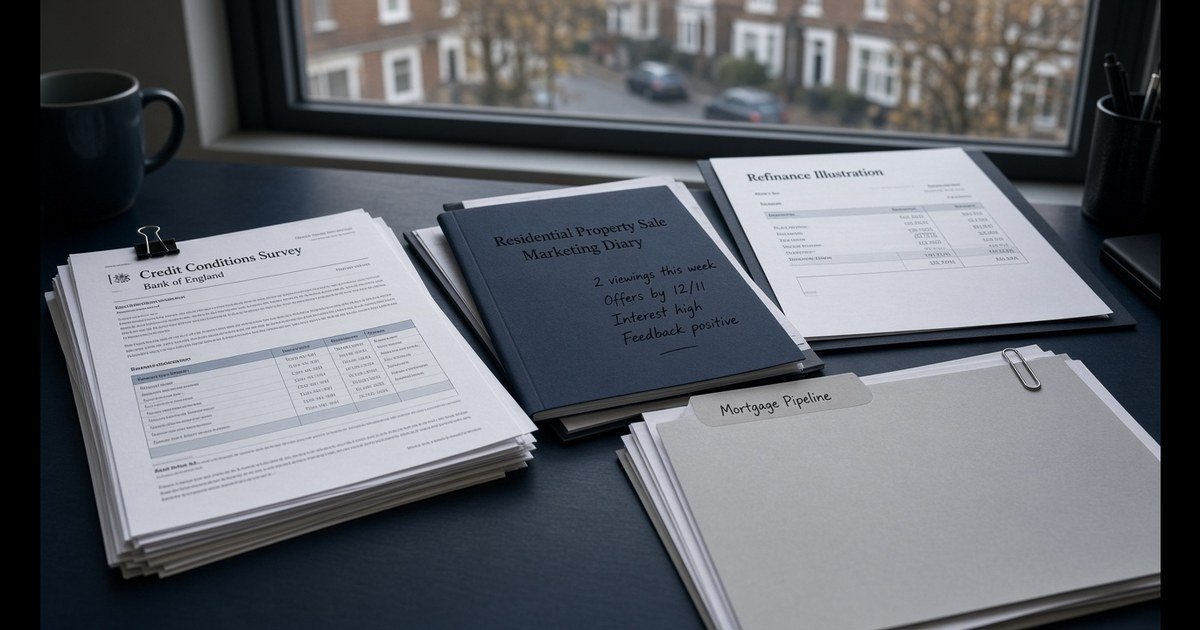
Buying first and selling later can be the best route when you want to move without risking a long property chain. A bridging loan chain break gives you the cash to buy your new home first. Then you can sell your existing home without being forced into poor timing or a rushed sale. For many buyers this approach removes stress from the moving process and increases negotiating power.
This guide explains how a bridging loan chain break works. It covers when the strategy makes sense, the practical steps, typical costs, exit options and how StatusKWO’s unregulated bridging loans are structured to support chain breaks across England and Wales.
What is a bridging loan chain break?
A bridging loan chain break is a short-term loan designed to let you complete on a purchase before you sell your current property. The loan bridges the gap between buying and selling. Borrowers use the bridging loan as deposit and completion funds. Once the existing property sells you repay the bridging loan.
This differs from traditional chain arrangements where each transaction waits on another to complete. With a bridging loan chain break you remove the dependency on other buyers and sellers. That reduces delays and lowers the risk that a single hold up will derail the entire chain.
If you want a deep dive into the mechanics and legal status of these products, our explanation of what an unregulated bridging loan is explains why chain break loans for purchases are outside financial conduct rules and how that affects eligibility and documentation.
When buying first and selling later makes sense
Not every moving scenario benefits from breaking the chain. Use this strategy when the advantages outweigh costs and you have a clear exit route.
Good reasons to buy first include:
- You found a property you must act on quickly. This is common at auctions or in competitive markets.
- Your new purchase depends on timing that your sale cannot match.
- You want to avoid fall-through risk in a long chain.
- You expect a fast sale at market price and have a clear plan to repay the short-term loan.
Situations where caution is advised:
- Your exit depends on an uncertain buyer or slow market.
- You cannot show a realistic exit plan to a lender.
- Costs of short-term finance would exceed the benefit of breaking the chain.
For auction purchases, bridging provides speed that conventional mortgages cannot match. We have several resources on auction finance including how to fund an auction purchase and the fast completion processes. If auctions are relevant to your move, our guides on funding a property auction purchase and completing in 28 days explain the timelines lenders work to hit.
How StatusKWO supports a bridging loan chain break
StatusKWO provides unregulated bridging loans for borrowers UK-wide. We specialise in short-term commercial and investment-style bridging. Our product features are designed for speed and simplicity.
Key product terms you should know:
- Loan amounts up to £10,000,000+.
- Up to 85% loan to value depending on the asset and case.
- Terms between 6 and 18 months.
- 24-hour decision in principle.
- 72-hour credit-backed offers once documentation is in place.
- No proof of income required for eligible borrowers.
As an unregulated lender we focus on speed, security and commercial viability of the property. That makes our loans suitable for chain breaks where traditional residential lenders would be slow or impose restrictive conditions. For more on what lenders consider when setting LTV and borrowing limits see our guide on how much you can borrow with a bridging loan.
Speed and process: getting from DIP to completion
Time is often the primary reason borrowers use a bridging loan chain break. The process at StatusKWO is built around rapid underwriting and clear milestones.
Typical steps:
- Initial instructions and basic property details.
- 24-hour decision in principle to show you are fundable.
- Valuation booked and legal pack reviewed.
- 72-hour credit-backed offer issued on satisfactory checks.
- Completion once conveyancing is complete.
To keep the process fast prepare documents early. If you need faster guidance on application pacing see our notes on how fast you can get a bridging loan and practical tips in how to speed up your bridging loan application. Those two pieces show where delays commonly occur and how to avoid them.
Valuation and solicitor work often dictate final timings. If the purchase is at auction you must be ready to act immediately. Our article on using a bridging loan to buy at auction step-by-step explains how to coordinate valuation, deposit release and completion for fast auction deals.
Structuring your chain break loan: security and interest
Choosing the right structure protects both you and the lender. There are common options we see with chain break loans and each has cost and operational implications.
Security
- Most bridging loans are secured first charge on the property being purchased. That means the property you are buying is the primary security.
- If you also own other property you can use a cross-charge to unlock additional borrowing. We have experience with cross-charge bridging loans that use existing property as security.
- Lenders assess security value by reference to current market conditions and the likely sale value on exit. This assessment affects maximum LTV.
Interest options
- Interest can be rolled up, retained or serviced. Each method alters monthly cashflow and total cost.
- A rolled-up interest option accumulates interest and repays it at the end. This reduces monthly outlay but increases the final repayment.
- A retained interest arrangement deducts interest from the loan at drawdown. This reduces net proceeds but keeps the loan technically smaller.
- A serviced interest option means you pay interest monthly which reduces total interest but requires cashflow to cover payments.
Borrowers can choose between rolled-up retained or serviced interest depending on their cashflow and exit plan. If you are breaking a chain to buy first and sell later many clients prefer rolled-up interest for simplicity and to preserve liquidity during the move.
Gross versus net loan value also matters. For a chain break you must ensure the loan covers completion costs and deposit after any retained interest or arrangement fees. See our explainer on the difference between gross and net loan in bridging finance for a worked example.
Exit options and controlling cost
A successful chain break requires a realistic exit strategy. Lenders will want to know how you plan to repay the bridging loan. Poor planning increases cost and risk.
Common exit routes
- Sell the existing property and use proceeds to repay the bridging loan.
- Refinance the bridging loan with a longer-term mortgage or buy-to-let product.
- If you are a developer or investor you could refinance into development finance or a new facility.
We publish guides on exit strategies for bridging loans and how to refinance out of development finance. Those resources show case studies and timing considerations for each route.
Cost control tips
- Keep the bridging term as short as practical. Interest accrues daily. Shorter terms reduce total cost.
- Consider a serviced interest option if you have the cash available. Monthly payments reduce long term interest.
- Prepare marketing and sale plans for your existing property early. Faster sales reduce lender fees and interest.
- Be realistic about sales price and timelines. Over-optimistic projections create refinancing pressure.
If you are unsure about exit feasibility you may prefer a staged approach. For example borrow a smaller amount to secure the purchase while you accelerate the sale of your existing property. Our content on how to exit a bridging loan outlines alternatives and cost profiles.
Typical scenarios where a bridging loan chain break helps
Here are real world situations where buyers use bridging loans to break chains. Each example shows common lender concerns and practical solutions.
Auction purchases Auctions often require fast completion. Buyers use bridging loans to pay the deposit and complete. We have pieces showing auction buyers how to match finance to the process including how to finance a property auction purchase and a client story in from auction to completion in 21 days.
Buying a home while renovating your current property for sale You may need to move into a new property to start renovation on your existing one. Bridging bridges the timing mismatch. For larger works consider the distinctions between refurbishment finance and bridging loans.
Relocating for work with a fixed start date If employment dates are fixed and house sale timings are uncertain, a bridging loan chain break buys certainty and reduces the risk of missing job starts.
Developers recycling capital Developers often sell one scheme to fund another. Bridging helps recycle capital faster. See how developers use bridging finance to recycle capital faster for examples.
Uninhabitable properties If the property being sold needs work before it hits the market you can still use bridging to buy first. Our guides on renovation financing for uninhabitable properties and short-term finance solutions for renovating uninhabitable properties describe how lenders evaluate risk for such deals.
Eligibility issues and credit considerations
Unregulated bridging lenders focus on asset value and exit strategy more than personal income. That opens the market for borrowers who cannot meet traditional mortgage rules.
Key eligibility points
- We lend on property quality and resale prospects. Clear exit plans matter.
- No proof of income is required in many cases. That is useful for self-employed borrowers, overseas nationals, or those with complex income streams.
- Credit score matters less than the security and exit route but very poor credit must be explained. Learn more about how credit impacts bridging eligibility in can you get a bridging loan with bad credit.
Lenders still run standard checks. Red flags include an unclear exit, poor security value or unresolvable legal issues. If issues exist it may still be possible to progress with enhanced security such as an additional property charge or a lower LTV.
Risks and how to mitigate them
Bridging loans are powerful tools. They carry risk if you misjudge timing or costs. Understand the risks and mitigate them before you proceed.
Main risks
- Interest and fees can be high if the loan runs long.
- Market movements can reduce resale value or mortgage appetite.
- Legal defects or planning problems may delay sale or refinance.
- Failure to repay can lead to repossession of the security property.
Mitigation strategies
- Have a clear and realistic exit plan that you can present to the lender.
- Use conservative estimates for sale price and time on market.
- Keep a contingency in cash or an agreed secondary exit route.
- Engage experienced solicitors and valuers early. Our piece on how valuers shape risk pricing and security in bridging deals explains why early valuation clarity reduces surprises.
Also understand what happens if you cannot repay. Our article what happens if you cannot repay a bridging loan explains lender options and legal outcomes. If your exit depends on auction completion also review what happens if you win at auction and cannot complete to prevent costly mistakes.
Cost example: estimating the numbers
Here is a simplified worked example to illustrate the costs of a bridging loan chain break. Numbers are illustrative only.
Scenario
- Purchase price: £400,000.
- Loan to value: 75% on purchase, loan amount £300,000.
- Term: 6 months.
- Interest rate: 0.75 percent per month.
- Arrangement fee: 2 percent of loan, charged on drawdown and retained.
Calculations
- Arrangement fee: 2 percent of £300,000 = £6,000.
- Monthly interest: 0.75 percent of £300,000 = £2,250.
- Total interest for 6 months: £13,500.
- Total cost before legal fees: £19,500.
If the sale of your existing property takes longer the interest cost increases. If you select a retained interest product interest may be deducted at drawdown which reduces net proceeds. Read about how interest is calculated on a bridging loan to understand APR and effective cost.
Practical checklist for a successful bridging loan chain break
Follow this checklist to reduce delays and avoid common mistakes.
- Prepare proof of identity and funding for deposits.
- Have clear plans for marketing and selling your existing property.
- Arrange for survey and valuations early.
- Decide on interest option that suits your cashflow.
- Confirm whether additional property security is required and be ready to provide title documents.
- Ensure solicitors are experienced with fast completions and bridging transactions.
- Allow contingency time and budget for legal or valuation delays.
For first time bridging borrowers our guide for first-time borrowers explains paperwork expectations, typical fee structures and how to present your case effectively.
Frequently asked questions
Q: What exactly is a bridging loan chain break and how does it differ from a mortgage bridge? A: A bridging loan chain break is short-term finance used to complete a purchase before you sell your current home. It is similar to a mortgage bridge in purpose but bridging loans are often unregulated. That means lenders base decisions on the property value and exit plan rather than affordability tests used by residential mortgage lenders.
Q: How quickly can I get funds for a chain break? A: With the right documents you can get a decision in principle in 24 hours and a credit-backed offer in 72 hours. Actual completion speed depends on solicitor work and valuation. See our guidance on how fast you can get a bridging loan for more detail.
Q: Will bad credit stop me from getting a bridging loan to break a chain? A: Not necessarily. Many bridging lenders will consider cases with adverse credit if security and the exit plan are strong. Read our article on bridging loans with bad credit to understand lender views and documentation that helps.
Q: What happens if my sale takes longer than expected and I cannot repay the bridging loan? A: Extensions are possible but costly. Lenders require good reasons and may charge additional fees and interest. If repayment fails lenders can enforce security. We cover likely outcomes in what happens if you cannot repay a bridging loan.
Q: How do I choose between rolled-up retained or serviced interest for a chain break? A: The choice depends on your cashflow and tolerance for end-of-term repayment size. Rolled-up interest preserves cashflow but increases the final sum due. If you have liquidity or prefer lower total interest consider serviced interest. See our explainer on bridging loan interest options for a full comparison.
Next steps and a soft call to action
If you are considering buying first and selling later a bridging loan chain break could give you the certainty and speed you need. StatusKWO specialises in unregulated bridging loans for England and Wales. We lend up to £10,000,000+ at up to 85 percent LTV for terms between 6 and 18 months. Our range includes quick 24-hour decision in principle and 72-hour credit-backed offers. We also accept cases where no proof of income is required for eligible borrowers.
To explore whether a bridging loan chain break suits your move contact StatusKWO for a confidential discussion and a rapid initial decision. Start the conversation at https://statuskwo.com/contact/ and a member of our team will guide you through next steps.